+1 504-885-4845 contact@nutritionhealthvibe.com 4653 Glendale St, Metairie, LA 70006, USA
Mon – Sat: 9:00 AM – 7:00 PM

Latest Blog

From Our Team

Practical Health Tips You Can Use Today

Written by the doctors, dentists and dietitians who see patients every day at our Metairie clinic.

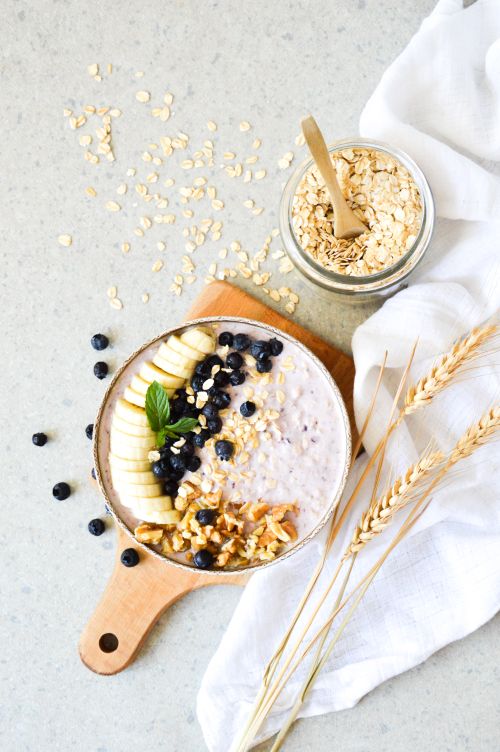
Healthy breakfast bowl with oats, berries and nuts

7 Simple Breakfasts That Keep You Full All Morning

Spoonable oats, veggie eggs and high-protein smoothies — seven easy breakfasts our dietitians recommend for steady morning energy.

The biggest mistake we see is a breakfast made almost entirely of sugar — toast with jam, cereal, pastries. The spike and crash is why the 10:30 AM snack attack happens.

Pair every breakfast with protein and fiber: Greek yogurt with berries, eggs with sautéed greens, or oatmeal topped with nuts and a spoonful of peanut butter. You'll reach lunch genuinely full.


Man taking a morning walk in a green park

Walking 30 Minutes a Day: Why Your Heart Will Thank You

You don't need a gym to protect your heart. Here's what a simple daily walk does for blood pressure, mood and energy.

Cardiology research is remarkably consistent: a brisk 30-minute walk lowers resting blood pressure, improves cholesterol ratios and cuts the risk of cardiovascular events — without a single piece of equipment.

Can't find 30 minutes at once? Ten-minute walks after each meal add up and also help blood sugar. The best walk is the one you actually do.

Glass of water with lemon slices on a bright table

Hydration Myths: How Much Water Do You Really Need?

The "8 glasses a day" rule is a starting point, not a law. Learn how activity, climate and food change your true fluid needs.

Most adults need roughly 2–3 liters of fluid daily, but it flexes with exercise, heat and diet. In Louisiana summers, working outdoors? Push higher.

Practical rule: drink when you're thirsty, check your urine (pale yellow = good), and count soups, fruits and herbal tea — a large share of your fluid already comes from food.

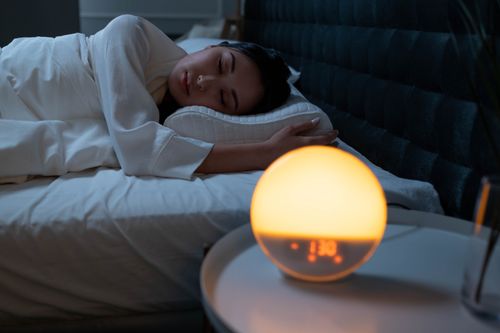
Person sleeping peacefully in a cozy bedroom

Sleep Better: A Clinician's Guide to Restful Nights

Trouble falling asleep? Small changes to your evening routine, light and room temperature can help more than pills.

Sleep is where healing, memory and metabolism reset. Chronic short sleep is linked to weight gain, blood-pressure creep and brain fog — it's a medical issue, not a luxury one.

Try this: screens dim 60 minutes before bed, a cool room (68–69°F), caffeine cutoff at 2 PM, and the same bedtime every night — weekends included.

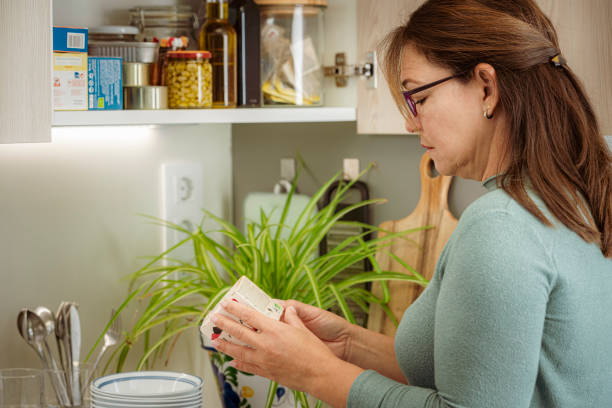
Woman reading a nutrition label in the kitchen

Reading Nutrition Labels Like a Pro

Serving-size tricks, hidden sugars and the three lines that actually matter — our quick guide to smarter shopping.

Always check the serving size first — many "healthy" snacks are two servings per container. Then scan for three things: added sugars (keep under 10 g), sodium (under 400 mg per serving is a good target) and saturated fat.

And remember: a shorter ingredient list is usually a better one. If you can't pronounce half the label, ask — we're happy to decode it with you.

Woman meditating in a bright room with plants

Managing Stress: Small Habits with Big Benefits

Stress is a daily reality, but how you handle it matters. Six practical habits — from breathing to boundaries — that genuinely work.

Chronic stress raises cortisol, which drives belly fat, blood pressure and inflammatory responses. You can't always remove the stress, but you can change the body's response to it.

Start small: four seconds in, six seconds out (breathing), a 10-minute walk at lunch, one "no" per day, and phones away after 9 PM. Do two consistently for a month before adding more.

Never Miss a New Article

Get our health tips, recipes and seasonal wellness reminders delivered to your inbox.